Your facility needs consistent cleaning schedules customized for specific risks, daily throughput, allergen management, and regulatory visits, with verifiable documentation confirming HACCP requirements, inspection compliance, and public health regulations. The information following provide details about essential cleaning protocols.
Key Takeaways
- Brampton sanitation experts support restaurants, grocery departments, commissaries, warehouses, bakeries, schools, mobile vendors, and allergen-sensitive operations.
- Sectional methods treat frequently contacted areas, food-contact equipment, kitchens, floors, drains, restrooms, and storage areas for reducing cross-contamination.
- Documentation of finishing through swabs, reviews, and action records validates qualified contractors have confirmed approved sanitizer dilution, alignment, and exposure duration.
- Routine, periodic, and periodic operations designated by location comprise sanitation calendars founded on danger, throughput, transitions, spills, and regulations.
- Suppliers should possess HACCP, sanitation competency, WHMIS instruction, coverage, endorsements, coded implements, and compliance-ready cleaning records.
Food Safety Cleaning Requirements for Brampton Operations
You must maintain food safety cleaning if your establishment is covered by health department oversight, food standards, or HACCP requirements. This covers food venues, break rooms, food centers, supermarket areas, butcheries, seafood displays, shops, and commercial food prep.
You'll also need documented food sanitation in supply facilities, manufacturing operations, cold storage warehouses, bakeries, school food programs, reception halls, and delivery services. Portable business models apply too, like mobile kitchens, market vendors, and seasonal booths. When your team handle raw materials, divide prepared dishes, warm finished meals, or maintain allergen storage, your establishment requires established hygiene documentation. In Brampton, food safety is mandatory; it forms regulatory, business, and safety adherence.
What Do Brampton Cleaning Professionals Handle?
Professional cleaning teams specializing in Brampton disinfect high-contact surfaces, kitchen facilities, ground surfaces, and restrooms to satisfy food safety standards and health requirements. Emphasis on these spaces stems from extreme cross-contamination risk, potential for accidents, and compliance issues.
When you know their cleaning scope, you can verify that your facility's cleaning scope meets compliance and operational standards.
High-Touch Surface Disinfection
organize sanitization intervals considering traffic, contamination risk, and operational use.
Maintaining a sequential cleaning method, changing cleaning materials, and organizing sanitization equipment according to section ensures that system stays measurable, documented, and compliance-ready at all times
Food Prep Areas, Flooring, and Sanitary Facilities
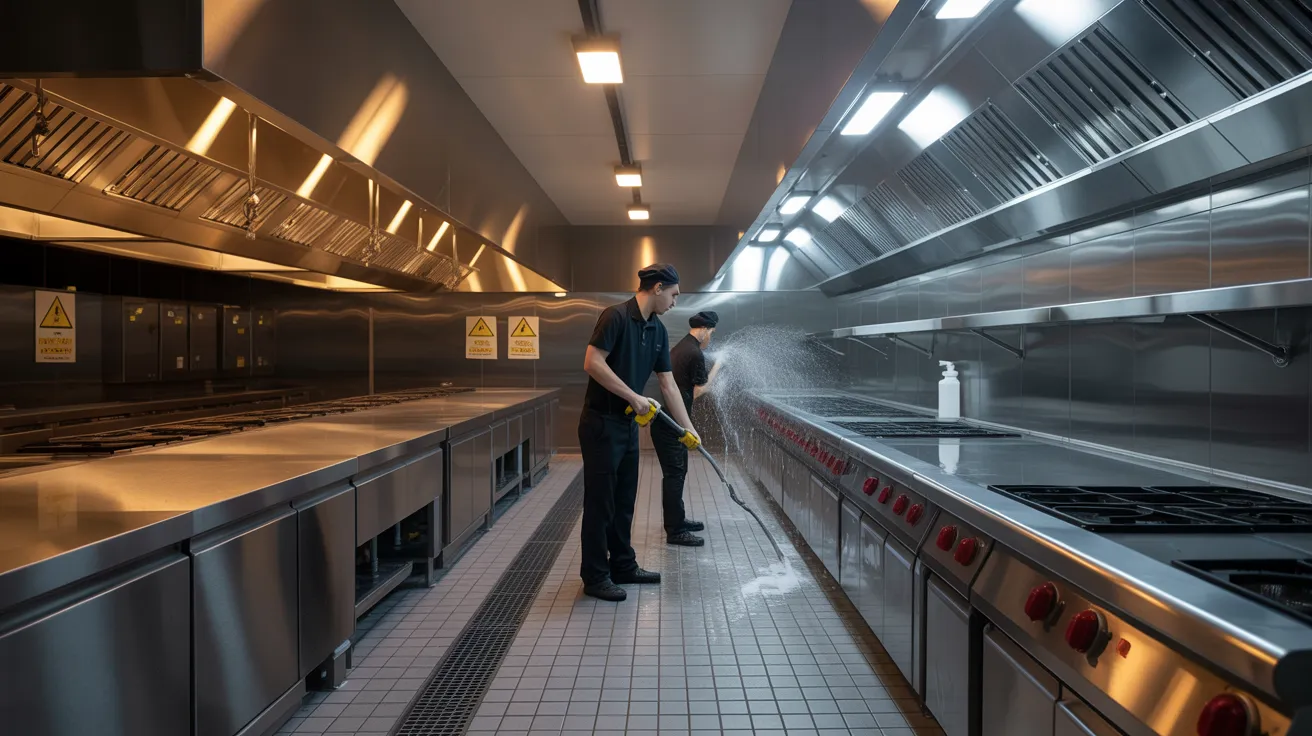
Brampton cleaning professionals will handle kitchens, floors, and restrooms since each space presents separate food safety concerns, injury, and community health challenges. In industrial kitchens, you need degreasing on cook lines, equipment exteriors, drains, prep surfaces, and splash zones to minimize bacterial growth and pest activity.
Documented floor maintenance is also provided as part of the service.
For restroom sanitation, cleaners disinfect touchpoints, fixtures, partitions, dispensers, and waste containers, then replace products and reduce odor. They also maintain restaurant cleaning supply rooms where product storage, sink cleanliness, and drain systems impact daily sanitation standards and worker protection.
Food Safety Cleaning Significance for Brampton Businesses
Brampton operations demand food-safe cleaning standards to meet health code requirements and pass inspections. You also minimize bacterial spread through proper cleaning of food-preparation surfaces, appliances, and frequently-touched items. Most importantly, you help protect public health by lowering the risk of foodborne illness in your facility.
Health Code Compliance
Brampton food companies must comply with mandatory safety protocols, so hygiene maintenance is essential to fulfilling health codes, safeguarding customers, and preventing penalties. You must maintain sanitized food contact points, documented cleaning schedules, appropriate product handling, and traceable training practices that align with municipal and provincial inspection expectations.
During inspections of your operation, officials evaluate if your sanitation system ensures safe storage, tool sterilization, refuse management, and bathroom upkeep.
Contamination Prevention
Meeting health code standards also depends on your capacity get started to stop cross-contamination during routine food preparation and sanitation. You must separate raw ingredients from ready-to-eat foods, sanitize prep surfaces between tasks, and keep cleaning products separate from food areas. Established guidelines minimize contamination chances and support consistent compliance during inspections.
You should establish allergen separation to prevent major allergens from touching common work areas, storage bins, or tools. Use dedicated cutting boards, color-coded tools, and strict utensil labeling so employees avoid combining products throughout cooking or serving. Mandate washing hands following uncooked proteins, shellfish, egg items, or allergen products. Change cleaning rags frequently, and check disinfectant potency using test kits. When you train staff to follow these controls each work period, you build a more hygienic, secure workplace that satisfies Brampton's safety standards consistently.
Community Health Protection
Should cleaning standards break, you don't simply risk a failed inspection—you expand the odds of contamination-related sickness harming customers, staff, and the wider Brampton community. You also undermine your responsibility in safeguarding community wellness, especially in high-traffic food premises where contamination can spread quickly through surfaces, equipment, and touchpoints.
You need sanitation systems that remove contaminants, disinfect appropriately, and confirm results. This requires following contact periods, selecting approved disinfectants, documenting procedures, and coaching employees to satisfy regulatory requirements. These measures prevent pathogen control by decreasing microbial counts before reaching surfaces or food. Throughout Brampton, effective sanitation safeguards susceptible populations, reduces outbreak risk, and demonstrates your diligence. When you follow proper protocols, you go beyond requirements—you mitigate risk and facilitate secure food handling region-wide.
In What Ways Does Cleaning Help Achieve Food Safety Compliance?
Thorough cleaning protocols promote food safety compliance by reducing contamination risks, limiting pathogen development, and positioning your facility in accordance with sanitation requirements under HACCP-based programs and public health regulations. You confirm that food-contact surfaces appear visibly clean and microbiologically controlled, supporting documented preventive controls and inspection readiness.
Cleaning efforts additionally amplify allergen mitigation by eliminating residues that can lead to undeclared allergen exposure.
What's the Best Time to Arrange Commercial Cleaning?
Elevate cleaning frequency during peak production, equipment changeovers, spill events, and after maintenance work.
facility shutdowns, seasonal-driven soil accumulation, or periods of high pest activity.
Selecting the Right Brampton Cleaning Experts: Key Considerations
Screen providers initially by their food-safe sanitation requirements—not budget alone. You need to confirm that every company meets CFIA, public health, and HACCP standards for your operation. Demand proof of insurance, WHMIS compliance, training records, and management systems. Evaluate technician knowledge of cross-contamination risks, chemical safety, and documented sanitation practices.
You must also evaluate business consistency and accountability. Seek references from food facilities in Brampton, then assess response times, corrective-action procedures, and communication standards. Ensure the company enables supplier checks and can provide inspection-ready documentation when authorities or third parties demand verification. Verify equipment care, colour-coded tools are deployed correctly, and operational-specific risks are understood. A reputable service safeguards compliance, product safety, and your market standing.
What details should a Food Safety Cleaning Plan include?
Put together a written program that establishes every sanitation duty, standard, and accountability ahead of production commencement. You should specify cleaning frequencies, approved chemicals, dilution rates, contact times, tools, and verification methods for each sector, surface, and equipment. Add pre-operational inspections, corrective actions, and employee training requirements.
Your strategy should also tackle prevention of contamination, waste management, pest-control tactics, and scheduled records for facilities, drains, flooring, and food-preparation surfaces. Outline how you'll distinguish between uncooked and prepared items, support ingredient tracking, and maintain accurate allergen labeling through validated cleaning between product changes. You should establish accountability, keep signed records, and assess results against regulatory standards, HACCP controls, and customer requirements. When gaps appear, modify procedures immediately and retrain staff.
Regular Asked Inquiries
Can cleaning services support nighttime operations in Brampton facilities?
Yes, you can book sanitation coverage to support overnight shifts in Brampton facilities. You'll organize overnight sanitation around operational windows, security protocols, and personnel needs. Providers generally create nighttime procedures to minimize disruption, stay compliant, and track completed work. You should confirm arrival schedules, management, access procedures, and waste management before starting service.
Will sanitation professionals respond to hazardous incidents?
Yes, you can discover many Brampton sanitation experts providing hazard containment options. They manage contamination, assess dangers, contain affected zones, and begin swift decontamination to reduce risk and prevent business disruption. You should confirm timeframes, certifications, safety protocols, and waste procedures. If your facility must adhere to regulations, pick a provider that tracks incidents, adheres to standards, and ensures audit compliance.
Are green disinfectants appropriate for surfaces contacting food?
Absolutely, natural disinfectants prove to be secure for food-contact surfaces when you pick products labeled food safe and regulatory compliant. You must validate contact times, mixing proportions, and rinse requirements prior to application. Plant based formulas decrease toxic chemical contact, though you must obtain proof of efficacy against target microorganisms. For keeping surfaces residue-free, follow manufacturer directions precisely and verify your cleaning agent adheres to food sanitation requirements.
Will cleaning schedules adapt to seasonal production changes?
Without question, cleaning plans are highly adaptable for production fluctuations. Revise intervals, staff levels, cleaning agents, and confirmation procedures to align with operational cycles while sustaining compliance standards. Decrease equipment downtime by organizing sanitization around production shifts, high demand periods, and operational patterns. Additionally revise SSOPs, staff education, and environmental monitoring to capture transient threats, novel allergens, or elevated soil levels. Regular reviews maintain the program efficient.
Are commercial cleaners offering staff training on hygiene protocols?
Absolutely, commercial cleaners regularly deliver employee education on sanitation best practices. Your team gets training on proper chemical use, dwell times, cross-contamination prevention, equipment disassembly, and documentation. They typically align instruction with HACCP, GMP, and CFIA or local public health requirements. Many conduct sanitation audits to verify compliance, pinpoint weaknesses, and strengthen corrective measures. This enables you to sustain consistent procedures, pass inspections, and reduce food safety risks routinely.
Summary
When you work with Brampton commercial cleaning and food safety experts, you aren't merely cleaning—you keep your operation inspection-ready and your protocols compliant. From processing areas to kitchen spaces, every clean surface and maintained area helps reduce pest intrusion and prevent costly setbacks. By scheduling service at the right intervals and adhering to a detailed cleaning schedule, you protect staff, customers, and your brand image. In a tightly regulated environment, clean spaces aren't optional—they're fundamental to proper operations.